



Dental Anxiety in Adults: How Modern Dentistry Makes Treatment Easier
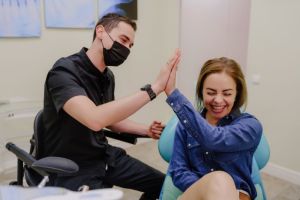 Dental anxiety or phobia is remarkably common in adults, with 30 to 50 percent of people having enough anxiety to affect their dental health. As much as 12 percent of the population suffers from dental phobia, a severe form of anxiety that rises to the level of intense, irrational fear.
What is Dental Anxiety?
Dental anxiety is an intense nervousness or fear about going to the dentist or having a dental procedure. People with dental anxiety may put off dental care or be apprehensive during treatment. Individuals with a dental phobia will not seek treatment even if they are in severe pain or have lost a tooth.
Common symptoms of dental anxiety include feeling helpless, sleeplessness, irritability or anger, and dread. Physical symptoms can include a racing heart, dizziness, feeling flushed, trembling, sweaty palms, shortness of breath, nausea, muscle tension (especially in the neck and shoulders), or a headache.
Common Causes of Dental Anxiety in Adults
There are many reasons you might experience dental anxiety, including:
- General Anxiety: If you already suffer from generalized anxiety, you are more likely to experience dental anxiety.
- Negative Dental Past: If you had a traumatic dental visit in the past, especially when you were a child, it could cause anxiety as an adult.
- Vulnerability Factor: Many patients feel a loss of control and vulnerability when in the dental chair with someone working on their teeth. They may feel trapped or claustrophobic.
- Embarrassment: If someone has neglected their teeth or has bad breath, they may be afraid that the dentist or hygienist will judge them harshly.
- Sensory Issues: Some sounds, smells, or tastes (e.g., drills, chemicals, or pastes) can be triggering for individuals with sensory processing disorders.
- Fear of the Unknown: Some people who have not been to the dentist in a long time imagine that the process is unpleasant or painful. Often, their fear of the unknown leads them to imagine things will be much worse than they actually are.
Why Avoiding the Dentist Can Make Anxiety Worse
Sadly, avoiding going to the dentist creates a vicious cycle. If you are afraid to go to the dentist and avoid checkups and dental cleanings, your dental health will deteriorate. You will need more complex and potentially uncomfortable treatments, which can cause increased fear and avoidance. As the cycle continues, eventually it can lead to a dental emergency and the need for invasive dental intervention.
How Modern Dentistry Reduces Pain and Discomfort
Forcioli Family Dentistry uses various techniques to reduce pain and discomfort and, by extension, our patients’ anxiety levels. Some ways we help include:
Soothing Surroundings
Walking into a cold, clinical environment never puts anyone at ease. At Forcioli Family Dentistry, our waiting room is inviting, comfortable, and family-friendly. Thoughtful touches like fresh coffee, bottled water, and a play area for the kiddos mean you can relax while you’re waiting.
Sedation
We offer oral sedation for certain procedures, including benzodiazepines such as Valium or Ativan. These medications temporarily suppress fear receptors in the brain. They also induce a state of calm and relaxation and, at certain dosages, can induce drowsiness or physiological sleep.
Distraction
Studies show that distracting yourself from dental procedures can significantly reduce your anxiety. In other words, thinking about something else during your dental exam or treatment will help the process go faster and minimize your stress. Once you’re in the dental chair at Forcioli, our flat-screen TVs, beautiful artwork, and mobiles keep your mind occupied. We also encourage you to bring your own music to listen to with earbuds or headphones. Music also masks many of the disconcerting sounds you may hear in the dental chair.
Tips for Managing Dental Anxiety Before Your Appointment
- Deep breathing while in the waiting room. Breathe in through your nose, hold it briefly, then breathe out slowly through your mouth.
- Practice progressive muscle relaxation (clenching and releasing muscles) to relieve tension in the neck and shoulders.
- Schedule your appointment early in the day so you don’t have to worry all day.
- Bring someone with you for moral support.
- Tell the staff and Dr. Forcioli before your appointment that you are feeling anxious. We will do everything in our power to help you feel at home and ease your discomfort.
How Our Dentists Help Patients Regain Control and Confidence
We believe the most effective way to reduce patient anxiety and restore their confidence and sense of control is through clear communication. We carefully explain every procedure and answer all questions in detail so that you understand what we are doing and why. By removing the fear of the unknown, we give you back a sense of control.
At any point during your appointment, you can signal us with your left hand, and we will take a break. If you are feeling overwhelmed, you will have the opportunity to regroup. If we need to reschedule, we will be happy to do so.
Dental Anxiety Holding You Back? We’re Here to Help!
Call Forcioli Family Dentistry at Lombard IL Cosmetic Dentistry Office Phone Number 630-627-1495 and tell us you have dental anxiety. We will guide you gently through every step, from your first appointment to any needed follow-up care, with compassion and understanding.
Comments are closed.