



Understanding Dental Fillings: Types, Benefits, and Care
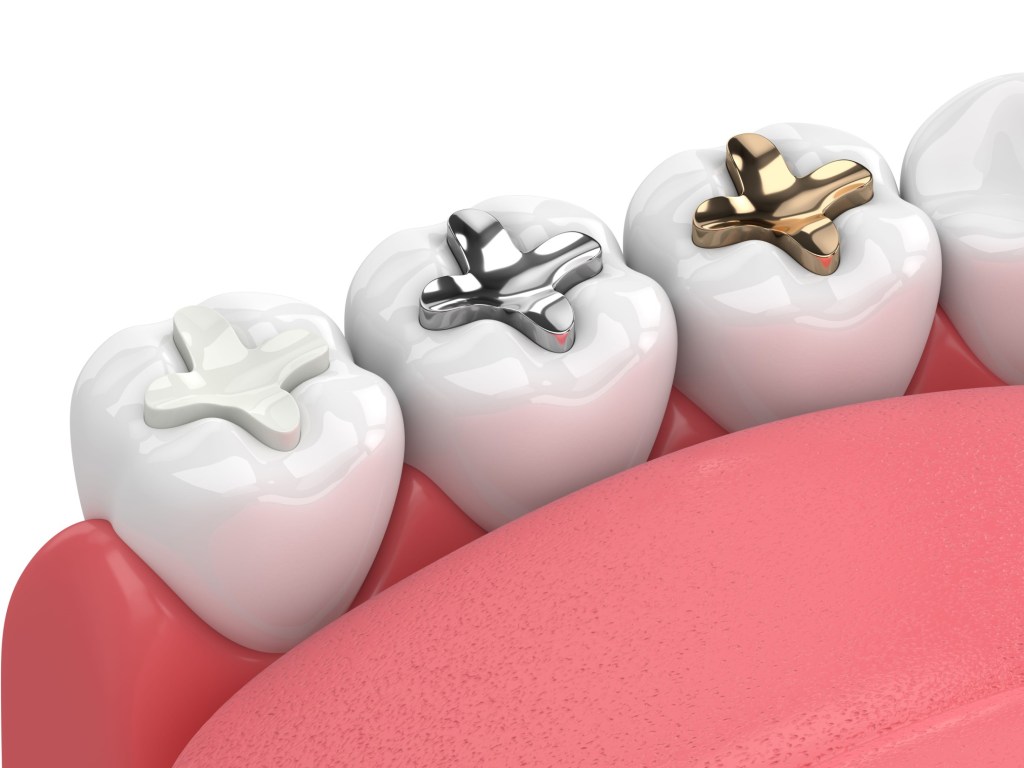
Getting a dental filling may seem like a simple procedure. You have a cavity, so you go to the dentist, and they fill it. However, with advances in materials and methods, there are now several types of filling materials to choose from, each with its own benefits and specific care guidelines. If you have a diseased or damaged tooth that requires a filling, knowing and understanding your options will help you choose what’s right for you, your oral health, and your lifestyle.
Amalgam Fillings
Amalgam fillings have been used in some fashion for hundreds of years. These are the silver-colored fillings most adults have from the 1960s and 1970s. They are made from a blend of mercury, silver, tin, zinc, and copper. They have been popular for years because they are durable, harden quickly, and are inexpensive. Today, they are most often used in molars, where they can withstand the wear and tear of grinding food.
However, some doctors and patients are concerned about the toxicity of mercury contained in amalgam fillings. Some dentists even suggest having them removed and replaced with other types of filling materials. Dr. Forcioli will evaluate your specific teeth which have “Silver” fillings to determine if and when they need to be replaced.
Composite Resin Fillings
These are the most commonly used types of fillings today. At Forcioli Family Dentistry, we use composite resin fillings because they are versatile, safe, and virtually undetectable once placed in the tooth. Composite resin features a resin base with powdered glass, quartz, or silica blended into it. The resin is pliable when applied in thin layers and cured with ultraviolet light. We can blend the resin material to match the natural color of your tooth and sculpt it to fit the tooth’s contours, making it ideal for front teeth and smile makeovers.
Composite resin fillings are strong and bond directly to the tooth, making them less likely to fall out than amalgam fillings. However, they do not last as long as amalgam because they do not withstand the same amount of pressure. You can expect a composite filling to last about 10 years with good oral hygiene, although many last much longer. They are biocompatible and do not possess the toxic nature of mercury-containing amalgams, making them safer for individuals with weakened immune systems and those concerned about a potential reaction to metals or mercury.
Porcelain or Ceramic Fillings
Porcelain or ceramic fillings are often referred to as inlays or onlays. They are typically reserved for larger cavities or major tooth damage. They are not directly applied to the tooth. Instead, we take an impression of the tooth and have the filling created in a dental lab, where it is precisely fabricated to fit the contours of the tooth.
In most cases, porcelain or ceramic fillings require two appointments. At the first visit, we will clean and treat the tooth, and then take an impression. At the second appointment, we will place the inlay or onlay on the tooth and cement it permanently in place, much like a dental crown. Porcelain or ceramic fillings are exceptionally durable and can last 15-20 years or longer with proper care.
Gold Fillings
Gold fillings are made of (you guessed it) gold mixed with silver, tin, copper, or palladium. Solid gold would be too soft, but the specific blend of metals used for fillings is incredibly durable. It is still used by some dentists for molars or patients who grind their teeth because gold fillings can withstand a great deal of force. Like porcelain fillings, gold ones are crafted in a lab and then cemented into place.
Gold fillings are remarkably durable, lasting 25 years or longer with proper care and maintenance. It is also significantly more expensive than composite resin. Gold is a great material for those who want bullet proof crowns.
Caring for Your Dental Fillings
No matter what kind of filling you and Dr. Forcioli choose for your teeth, remember that it will last longer and protect your tooth better if you take proper care of it. Brush your teeth twice daily using a soft-bristle toothbrush. Avoid using your teeth as tools (crunching on ice and trying to open packages with your teeth can knock out or loosen a filling). Fluoride toothpaste can help strengthen your teeth, preventing decay from setting in around the edges of a filling. And if you grind your teeth, be sure to ask us about wearing a mouthguard at night. Protecting your teeth against the wear and tear of grinding and clenching will prolong the life of your teeth and your fillings.
At Forcioli Family Dentistry, we review your dental filling options with you and help you choose the most appropriate option for your needs and aesthetic concerns. Please get in touch with our office at Lombard IL Cosmetic Dentistry Office Phone Number 630-627-1495 to schedule a consultation if you require a filling or a crown for one or more of your teeth.
Your Family Dentist in Lombard IL!
Book today with Dr. Forcioli, serving Glen Ellyn and Villa Park, IL.
Lombard IL Cosmetic Dentistry Office Phone Number 630-627-1495 Book Your Appointment Patient Registration
Comments are closed.